%20--%3e%3crect%20x='0'%20y='135'%20width='300'%20height='14'%20fill='%23F9E814'/%3e%3c!--%20Small%20star,%20upper-left%20--%3e%3cg%20fill='%23FFFFFF'%20transform='translate(48,42)'%3e%3cpolygon%20points='0,-10%202.94,-3.09%2010.39,-3.09%204.04,1.18%206.18,8.09%200,4%20-6.18,8.09%20-4.04,1.18%20-10.39,-3.09%20-2.94,-3.09'/%3e%3c/g%3e%3c!--%20Larger%20star,%20diagonally%20below-right%20of%20the%20small%20one%20--%3e%3cg%20fill='%23FFFFFF'%20transform='translate(86,82)'%3e%3cpolygon%20points='0,-18%205.29,-5.56%2018.71,-5.56%207.28,2.12%2011.12,14.56%200,7.2%20-11.12,14.56%20-7.28,2.12%20-18.71,-5.56%20-5.29,-5.56'/%3e%3c/g%3e%3c/svg%3e)
1
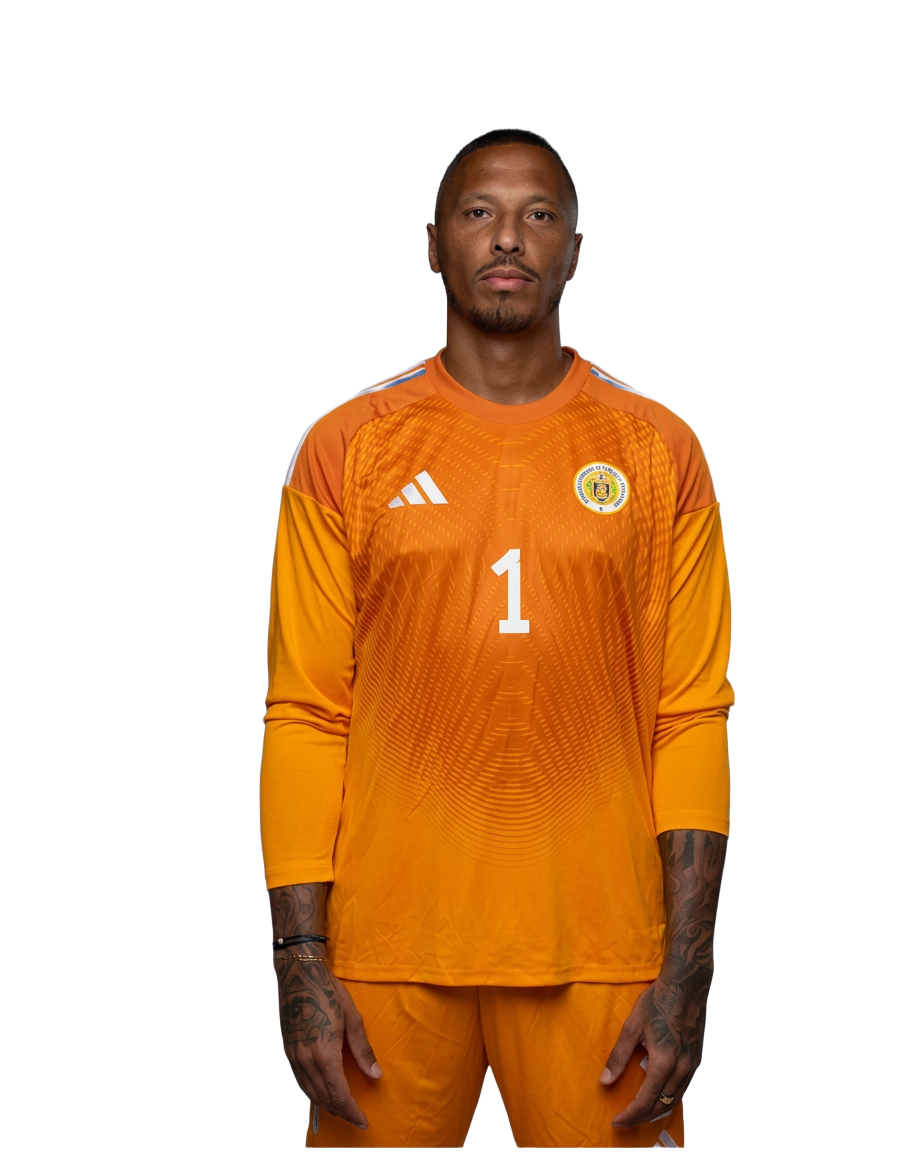
#1 · Goalkeeper
Eloy Room
Miami FC
The Veteran
The last line and the loudest voice — the goalkeeper who stood between Kòrsou and the impossible, and refused to blink.
Developed with love by Profound

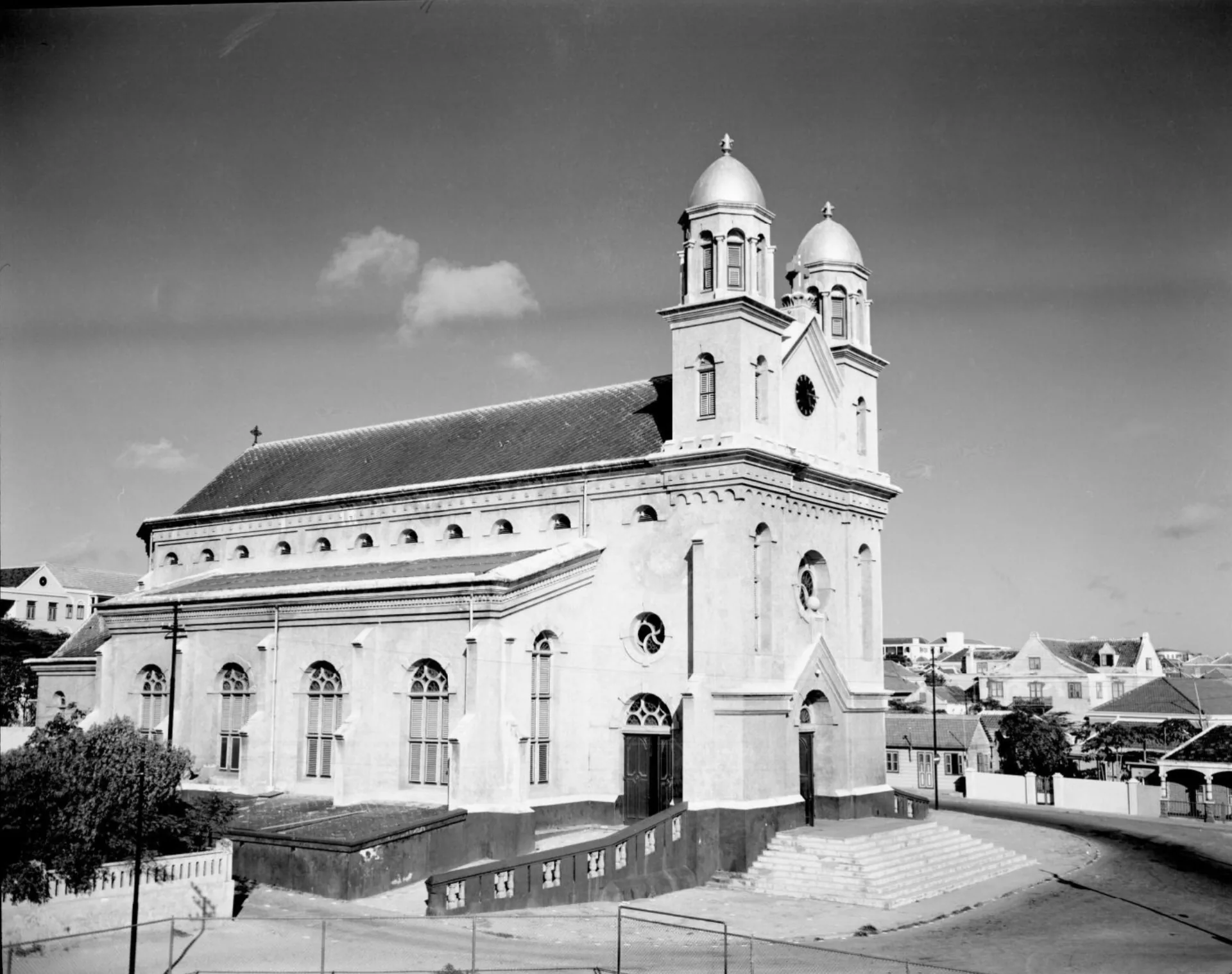
The island had 25,000 people and not a single football pitch. So they made one.
The first club, CVV Republic, played its first match in the garden of the Santa Famia Church.
The friars — also the schoolteachers — picked up the shovels themselves, cleared land, and turned dust into pitches.
Football didn't arrive on Kòrsou. It was built here.
"No fields. No stadiums. Just a will to play."
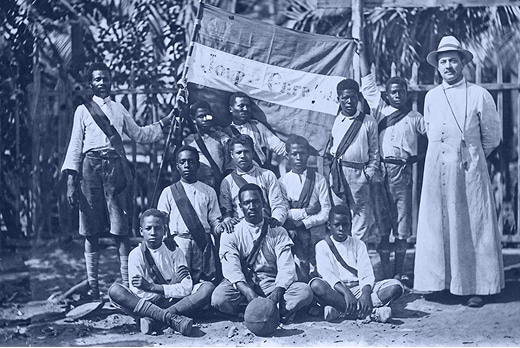
Curaçaose Voetbal Bond (CVB) is established. Eight clubs contest the first official Curaçao Championship.
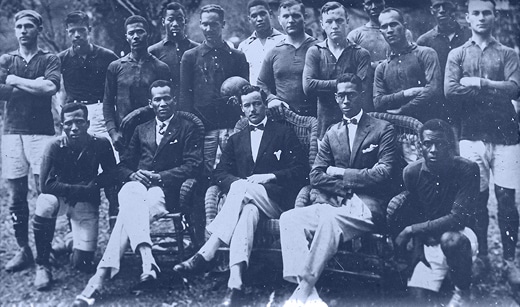
First international tournament. The island's first national selection sails to Haiti and defeats Haiti and the Dominican Republic.
CVB affiliates with FIFA. The world begins to take notice.
First CONCACAF Championship in San José. Curaçao finishes third.
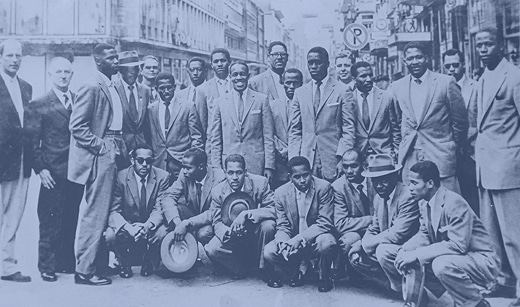
May 1946. The CVB celebrates its 25th anniversary with an international tournament in Willemstad — and Curaçao demolishes Feyenoord 4–0.
That summer, the team tours the Netherlands. Nine matches. The 3–3 draw against Feyenoord pulls 37,000 fans to Rotterdam — almost the entire population of the island.
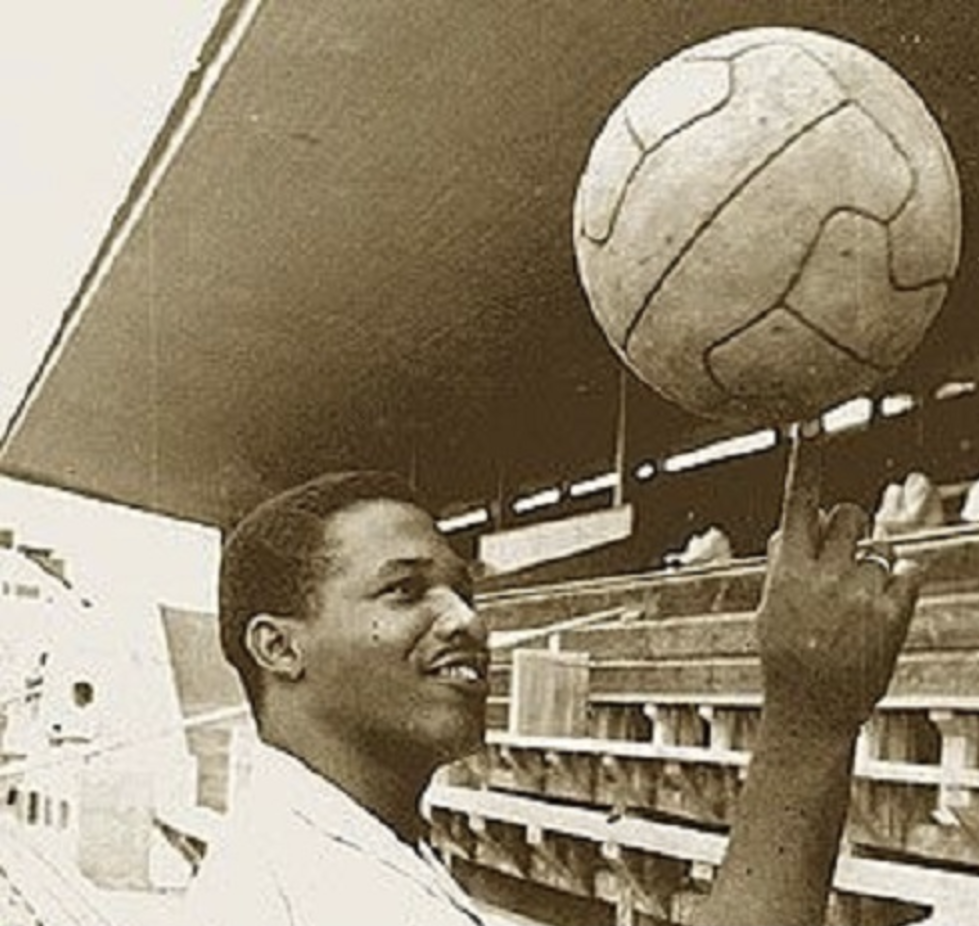
And one young goalkeeper from Otrobanda becomes a name the world won't forget.
36 internationals · Gold at the 1950 Central American and Caribbean Games · 1952 Olympics · Named best goalkeeper of his era across South America and the Caribbean. The national stadium now bears his name.
"He could have played anywhere in the world. He played here."
Long before "small nation" was a romantic story, one man from this island sat at football's highest table.
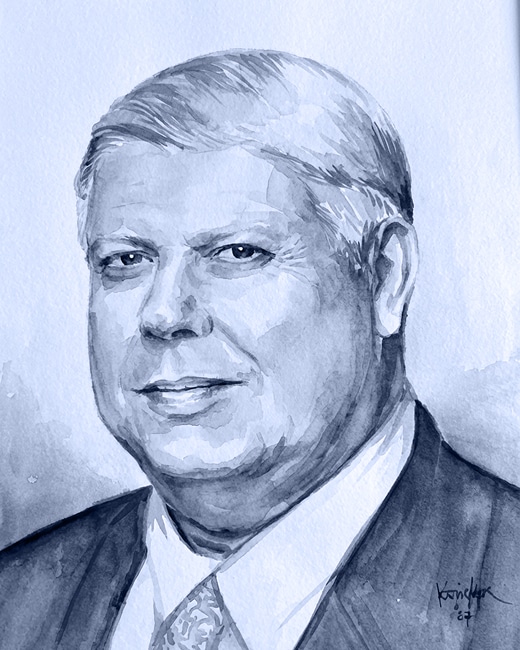
Mordy Maduro was the architect of the federation's rise.
He opened Curaçao to the world — inviting foreign teams, building international ties, and in 1960, being elected Vice-President of FIFA. Re-elected in 1968.
A boy from a small island, helping shape global football.
"He proved the island belonged in every conversation about the game."
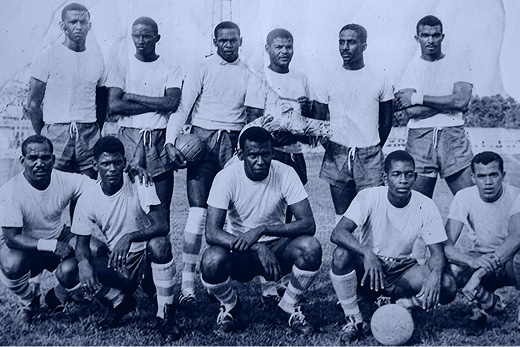
In 1977, the federation takes its modern name in Papiamentu — Federashon Futbòl Kòrsou. Through the post-war decades, the island built its own footballing culture. Its own clubs. Its own derbies. Its own way of moving on the pitch. Quick feet, low centre of gravity, the carnival in the legs and the discipline in the head.
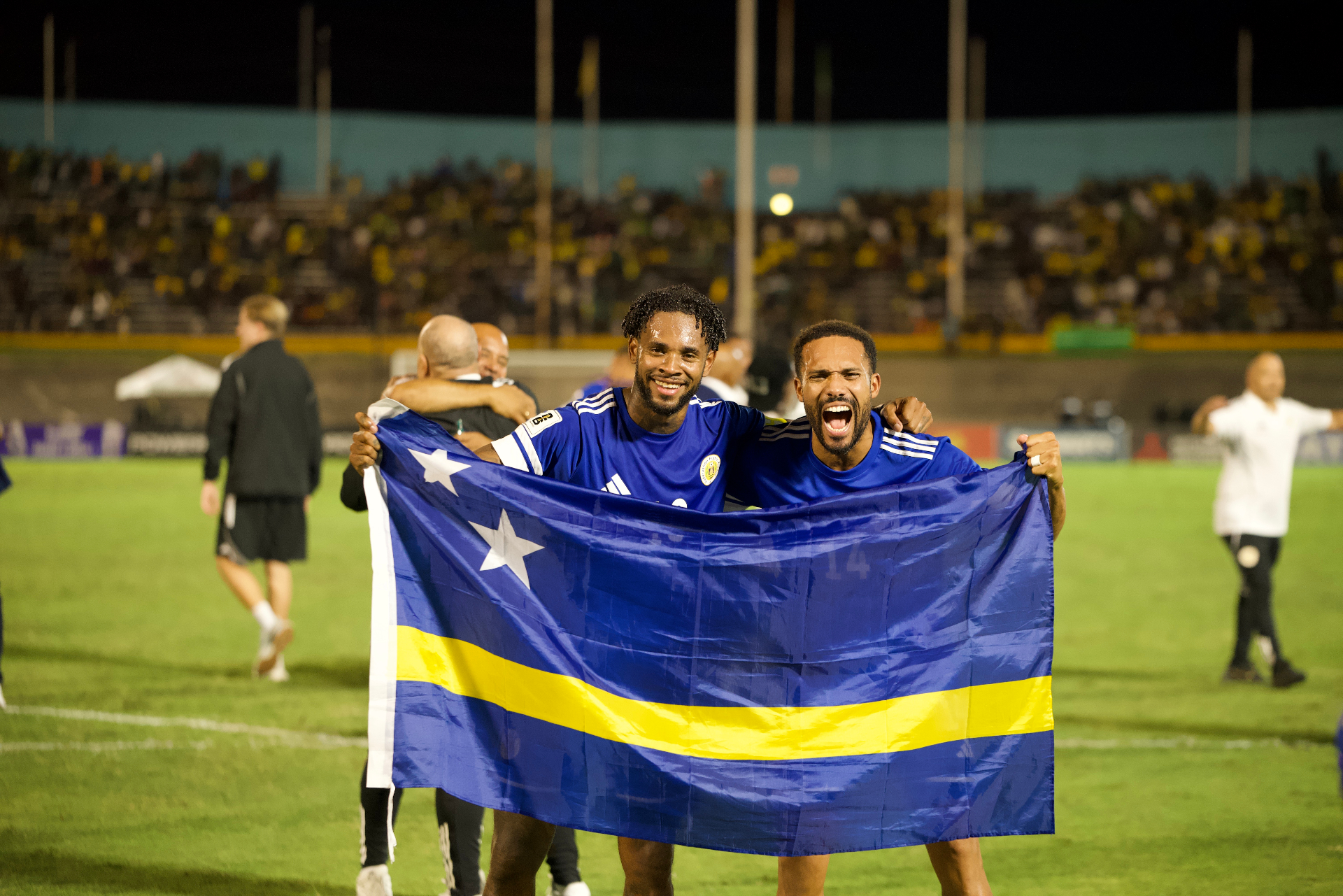
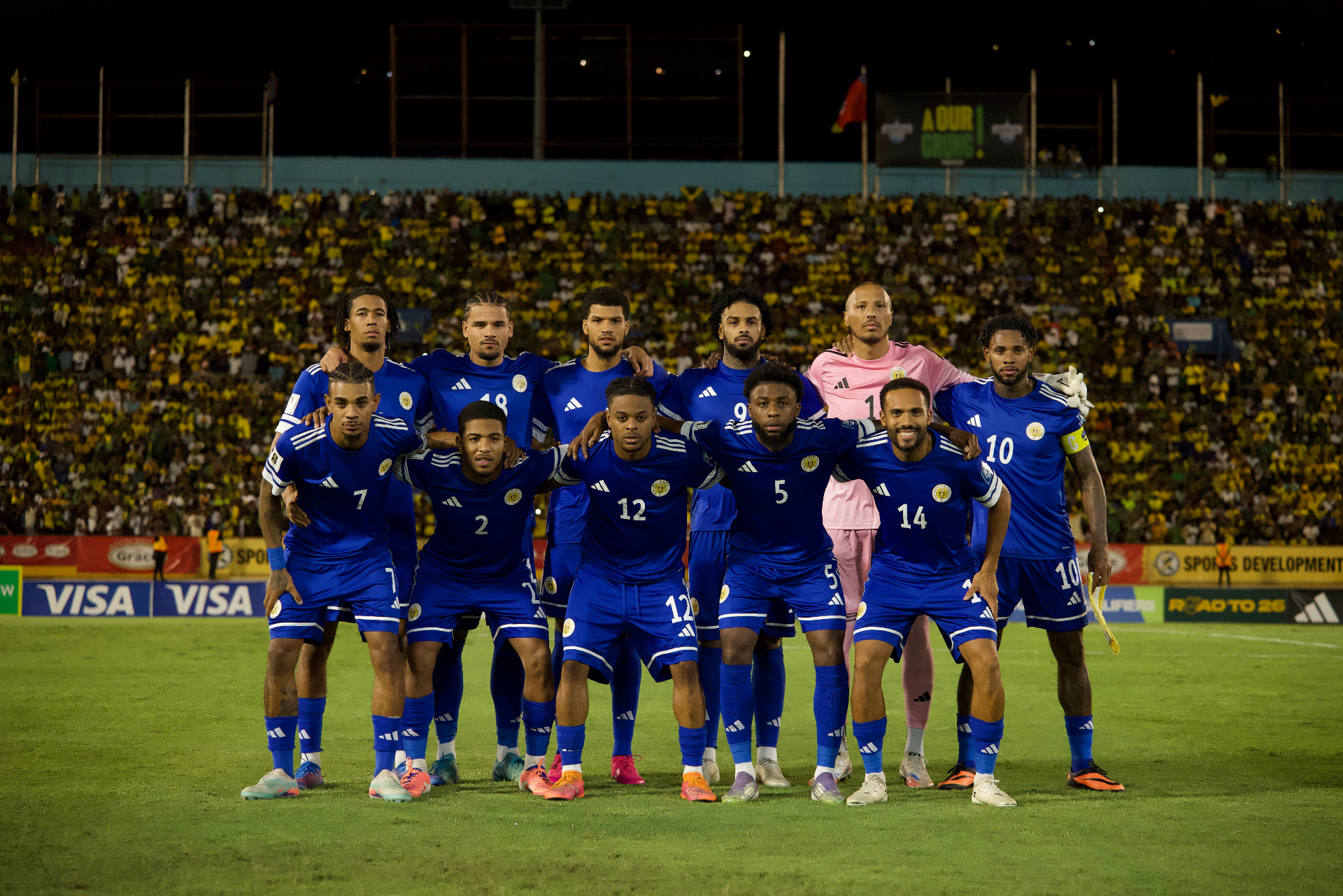
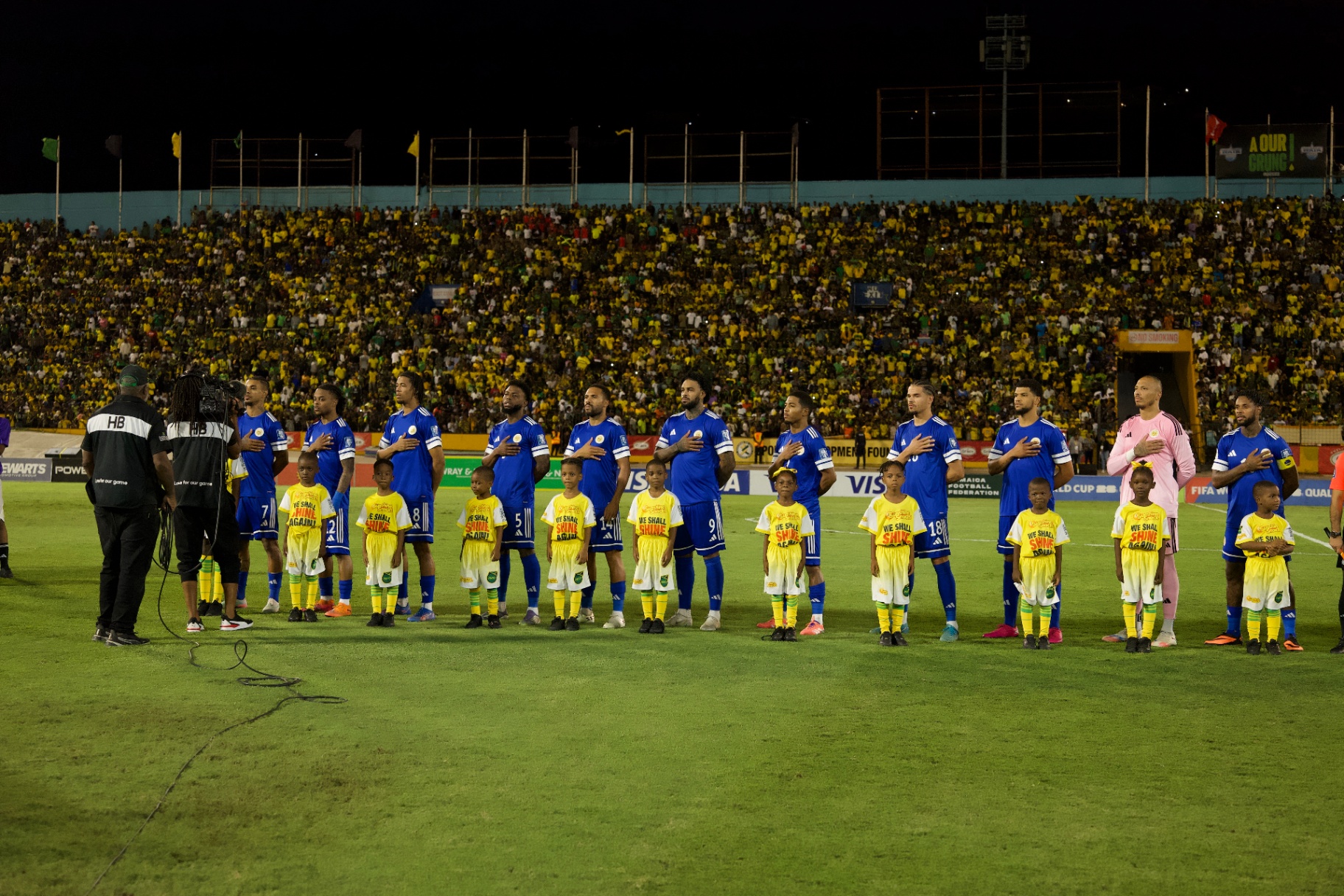
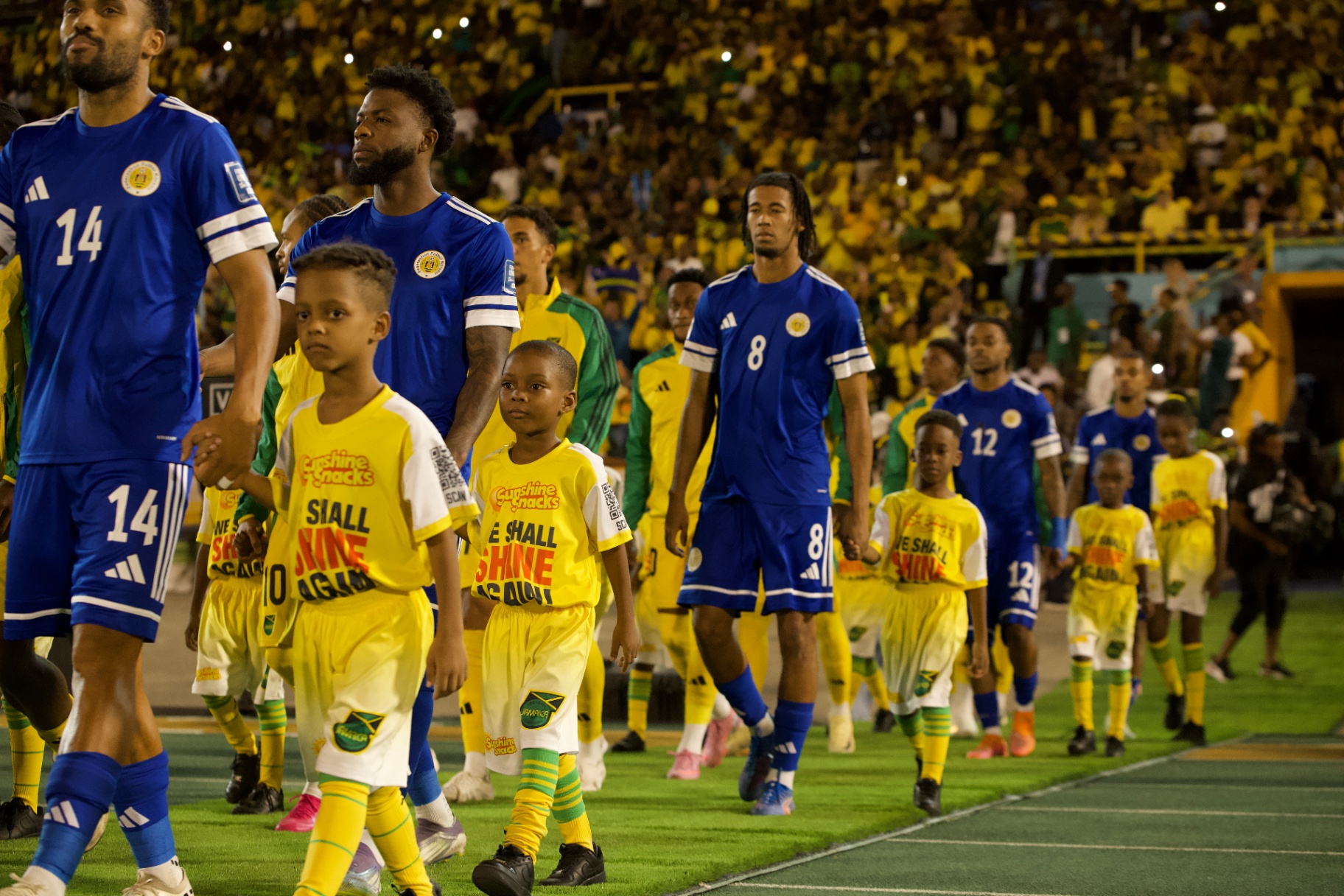
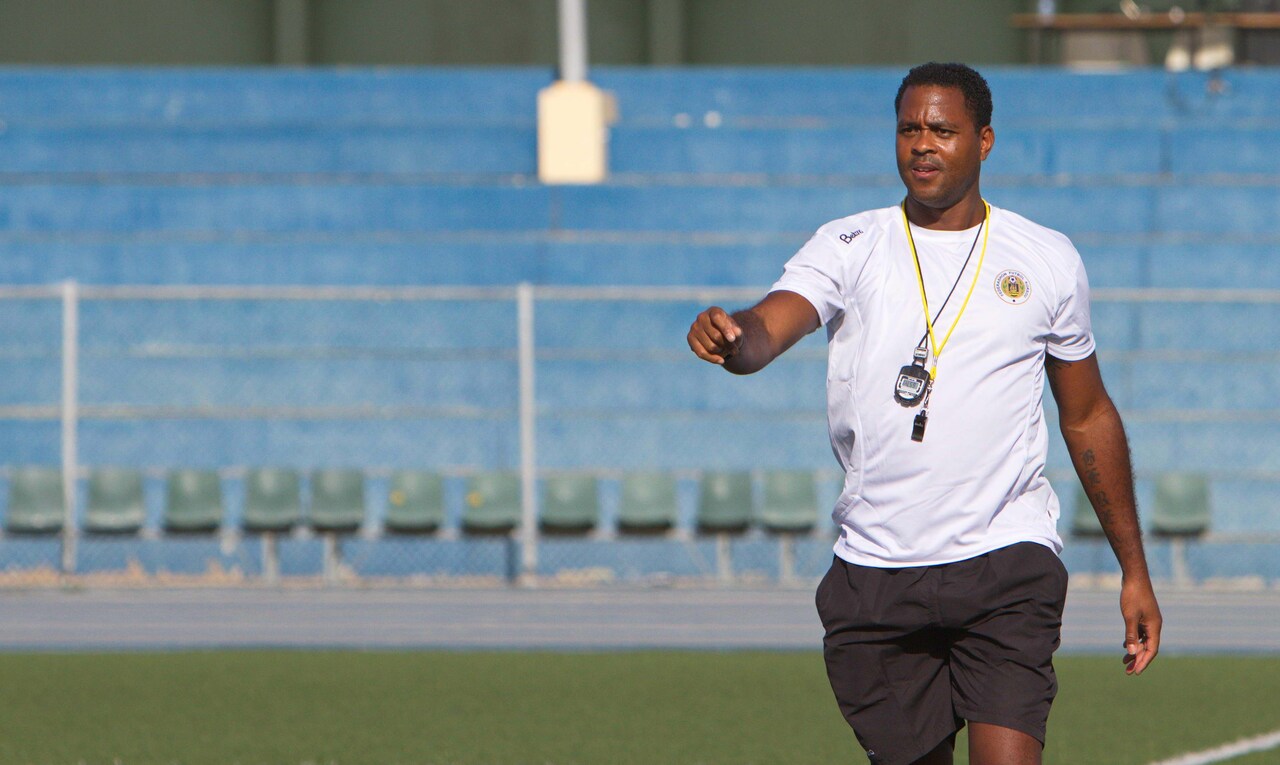
In March 2015, the FFK named a new head coach. His name carried weight in every corner of world football — and he carried Kòrsou in his blood.
"He didn't just coach the team. He raised its profile across the football world."
Some born on the island. Most born to it. From Eredivisie pitches to the Premier League, from MLS to Middlesbrough — this is the spine of a side that walks into the World Cup as the smallest country ever to arrive.
To view all players and staff visit The Blue Wave Official Website.
The last line and the loudest voice — the goalkeeper who stood between Kòrsou and the impossible, and refused to blink.
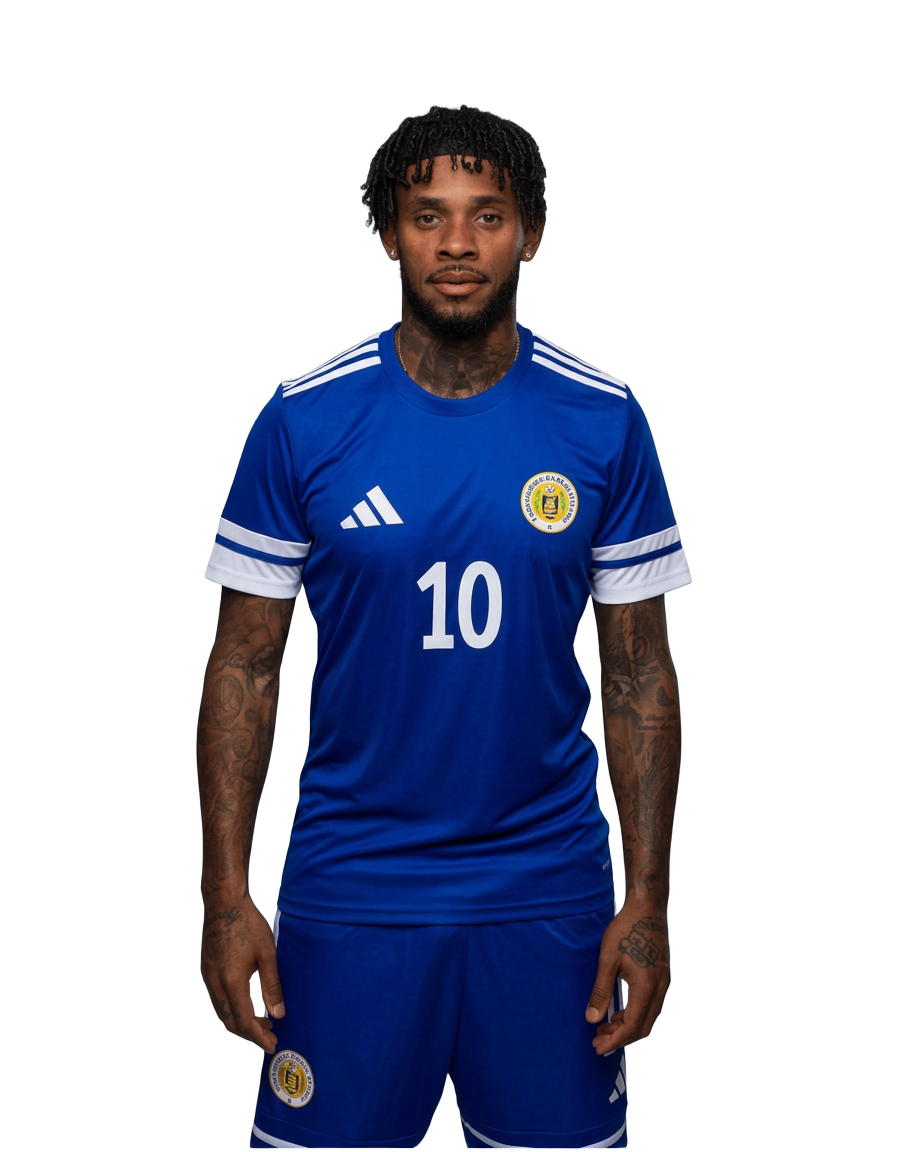
The captain who turned a draw into a destiny — and asked his team to play not just for the island, but for the coach who couldn't be there.
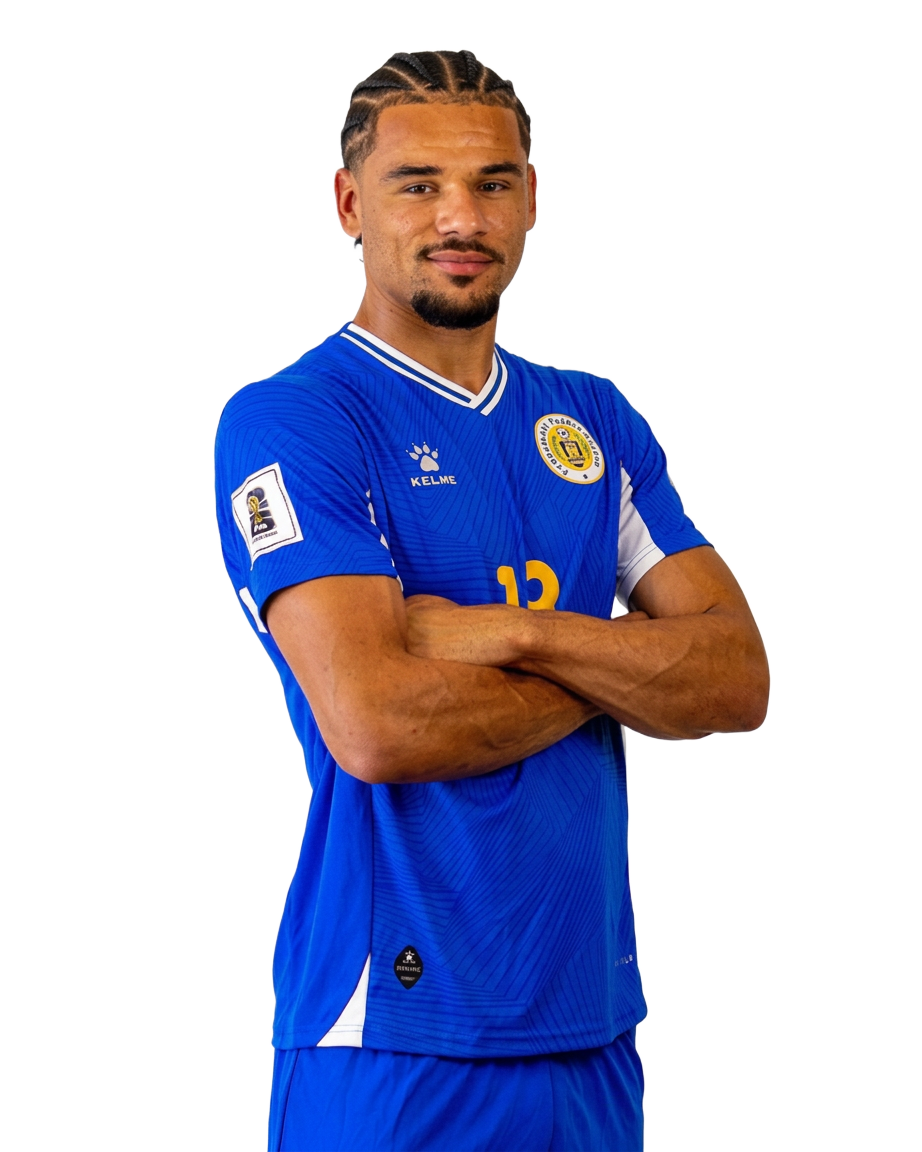
Eredivisie pedigree. Caribbean heart. The defender who made sure no decisive ball ever crossed the line.
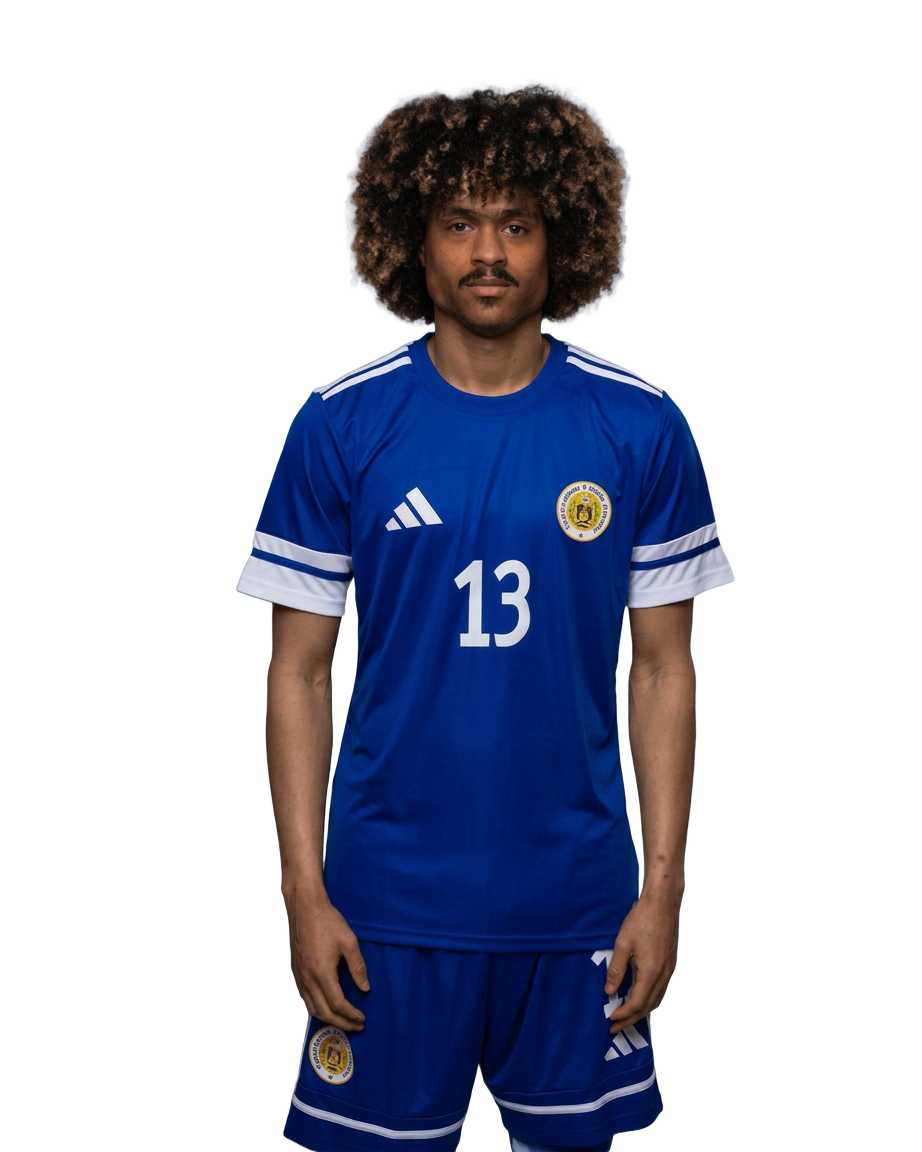
From Manchester United's youth ranks to a yellow shirt under Caribbean lights — he chose Kòrsou, and Kòrsou chose history.
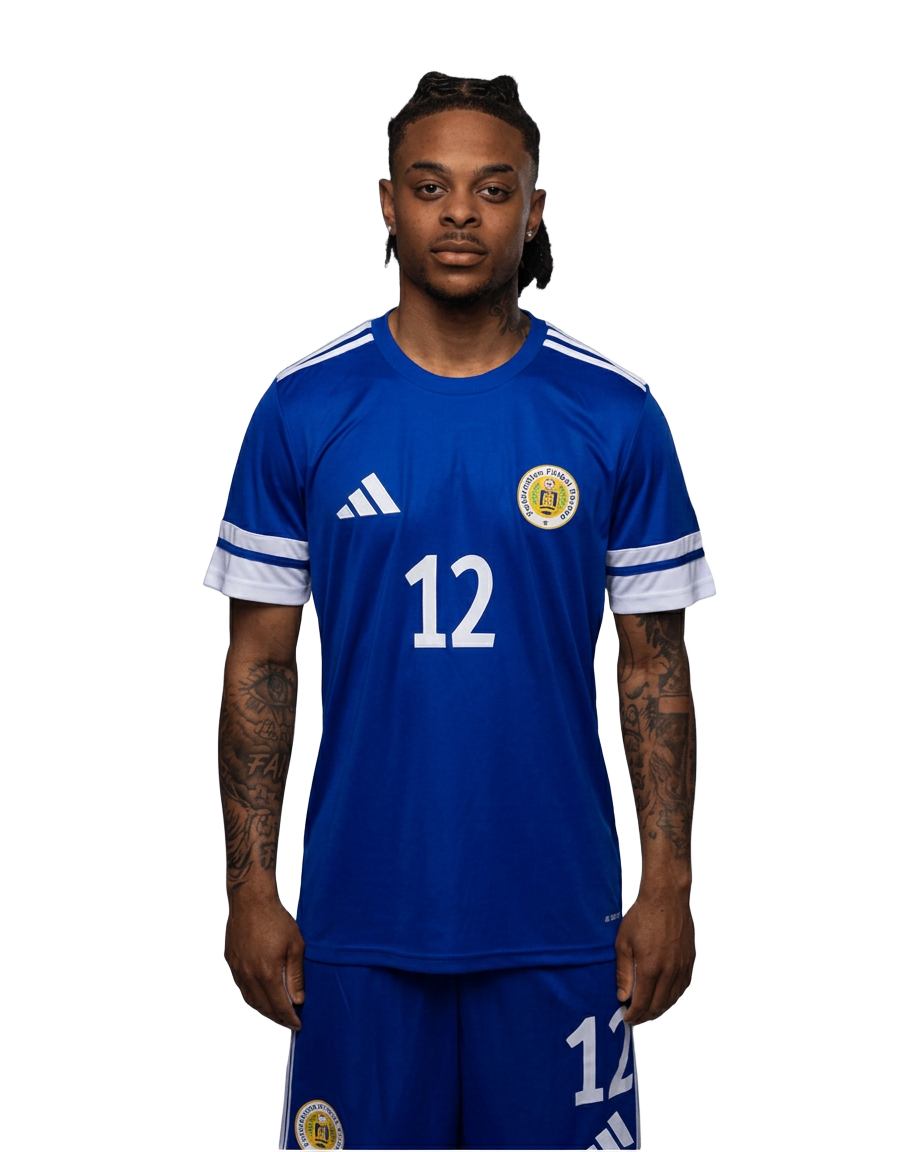
A young striker carrying the weight and the wings of a generation — fast feet, faster instinct.
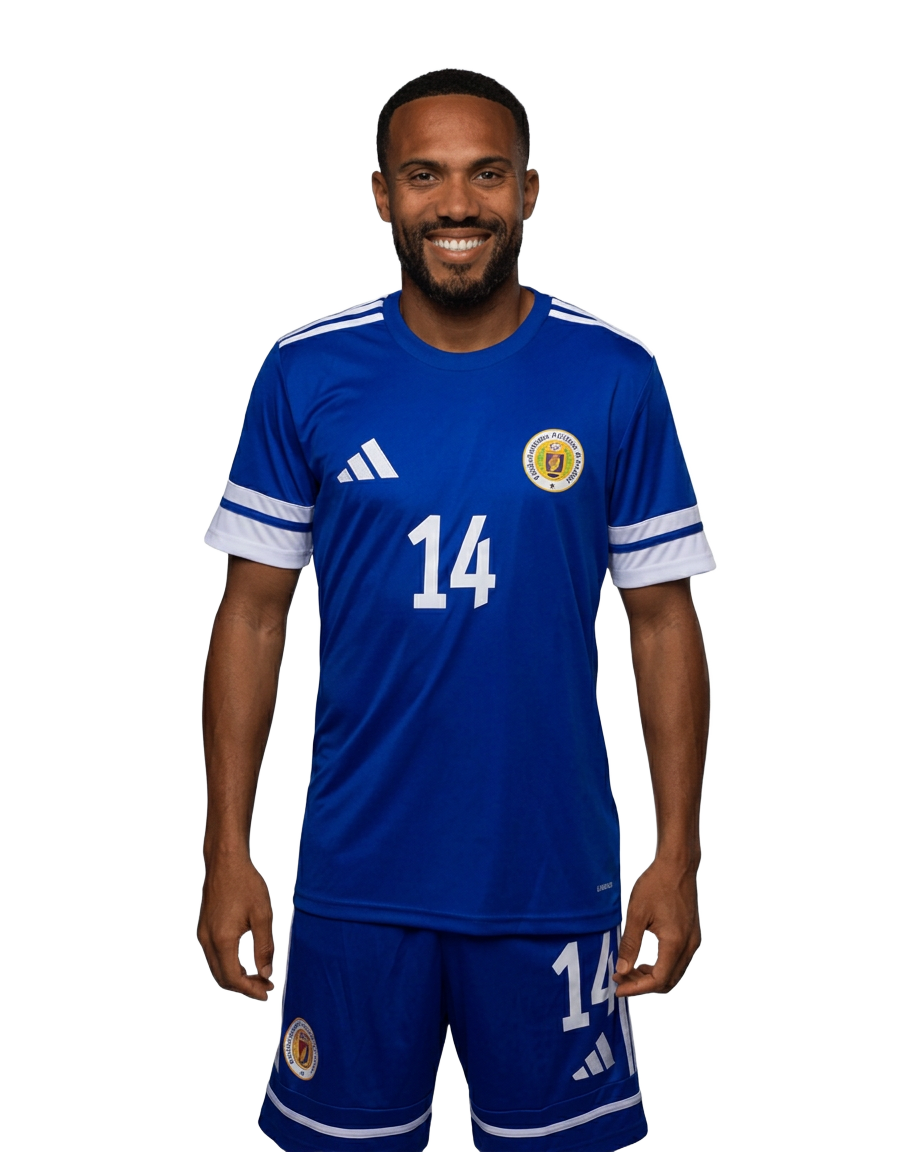
Scored the goal that broke Jamaica in October. Son of assistant coach Dean Gorré. "It's an impossibility that is made possible."
Three months after the night in Kingston, the man who had built the campaign stepped aside. Dick Advocaat resigned on 23 February 2026 — family first, always. He had brought professionalism, structure, and the belief that an old master can still teach a young dream how to win.
But after some months, he had made the decision to come back and the reigns of the team were handed back to him.
The first-ever meeting between the islands and the giants. A true David vs Goliath story, once again.
Not as a curiosity. As a footballing nation that earned its place.
The smallest population in World Cup history. The biggest story to tell.
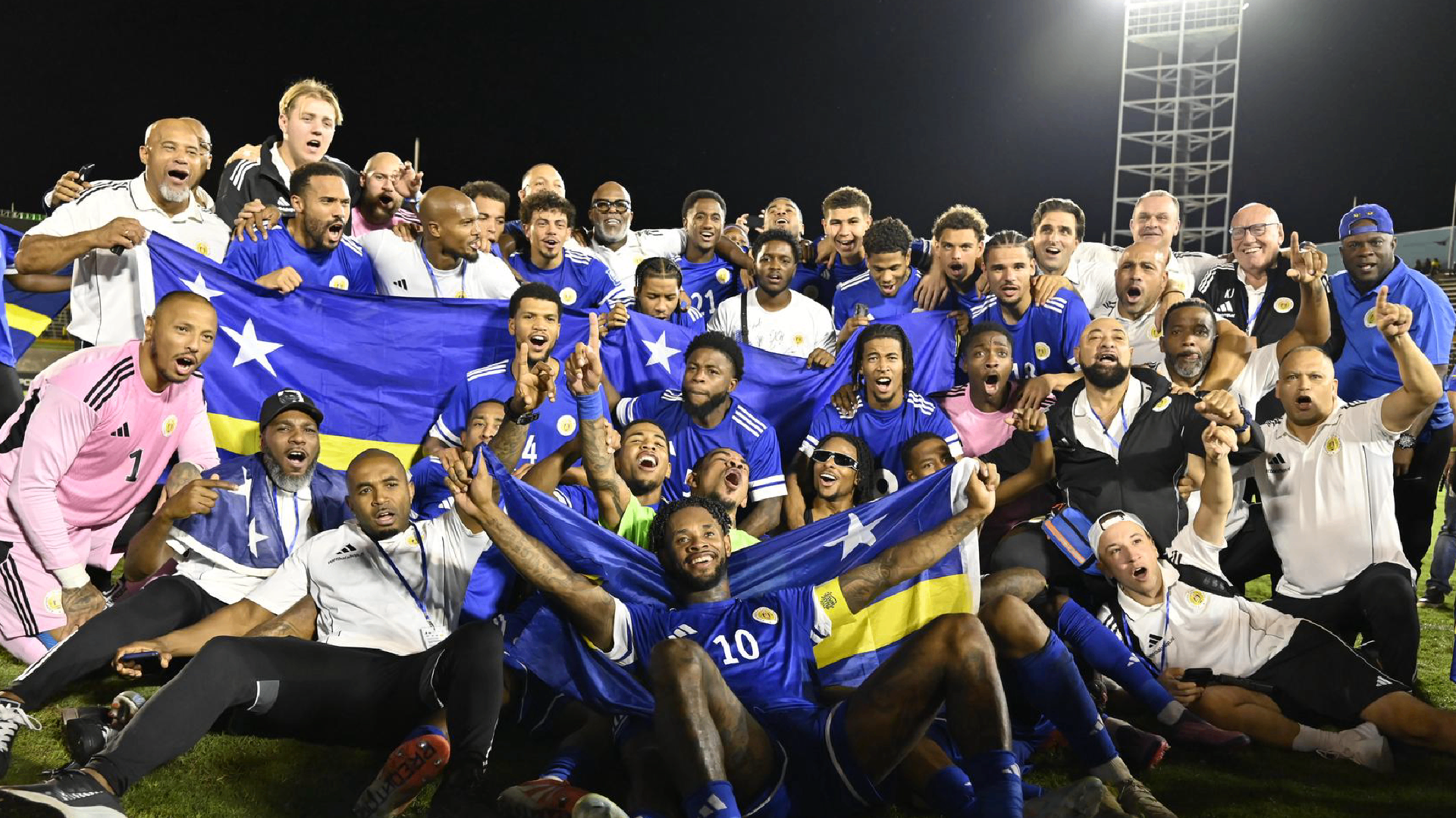
From a church garden in 1909 to a nerve-wrecking victory in Kingston in 2025 — the Blue Wave was never sudden. It rose through Hato's hands at the 1952 Olympics, through Maduro at FIFA, through Francisca's vision, through Kluivert's name, through Bicentini's trophy, through the leadership of coach Advocaat and federation president Martina, every kid who chose the Curaçao shirt.
This isn't the end. This is where the world starts watching.
ISLA CHIKI · KURASON NA LUGA
Small island, heart in the right place.
The Blue Wave — Curaçao Football · 1909 – 2026
Press play · Dale start
Full tracks for Spotify Premium · 30-second previews otherwise
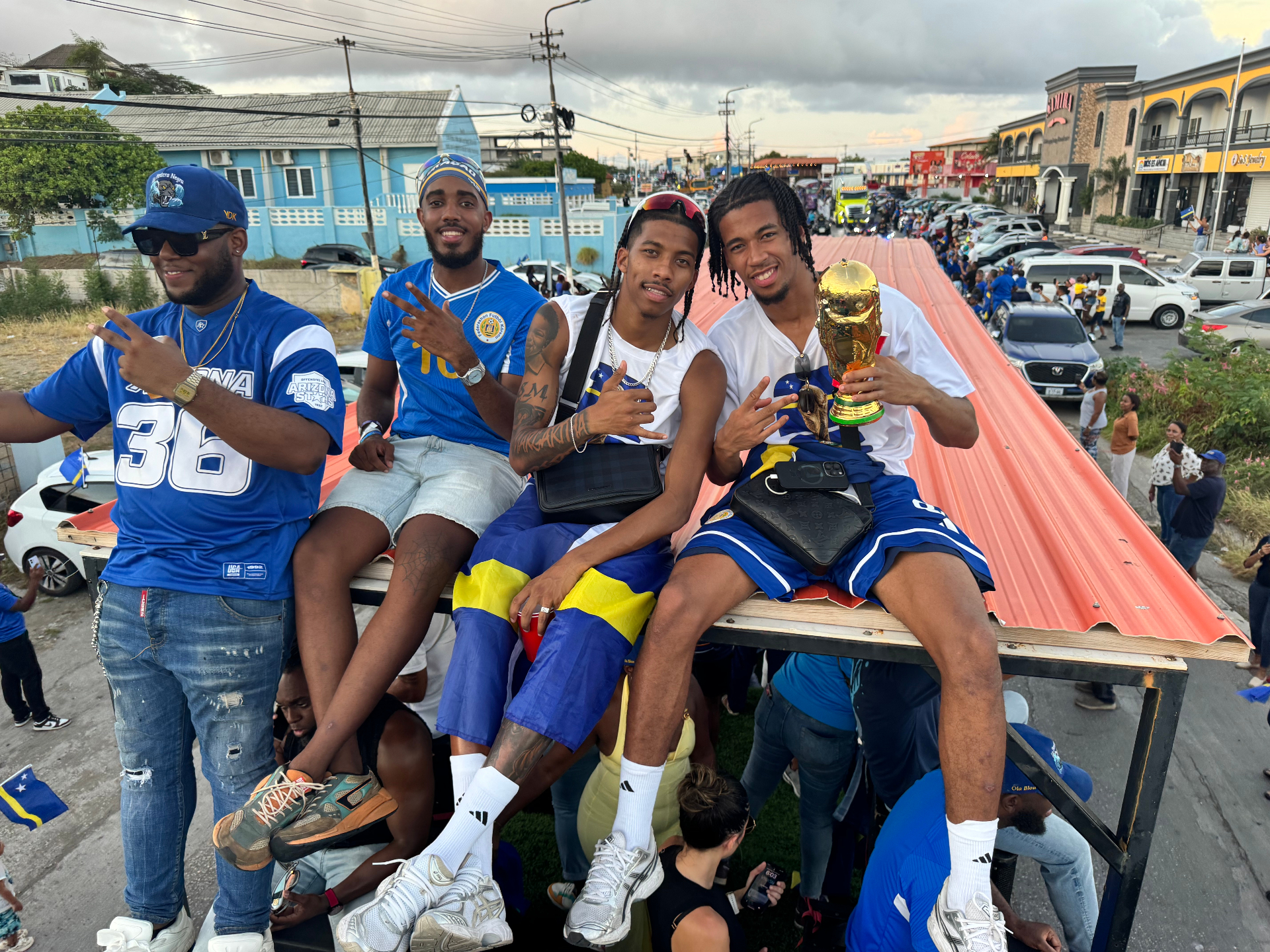
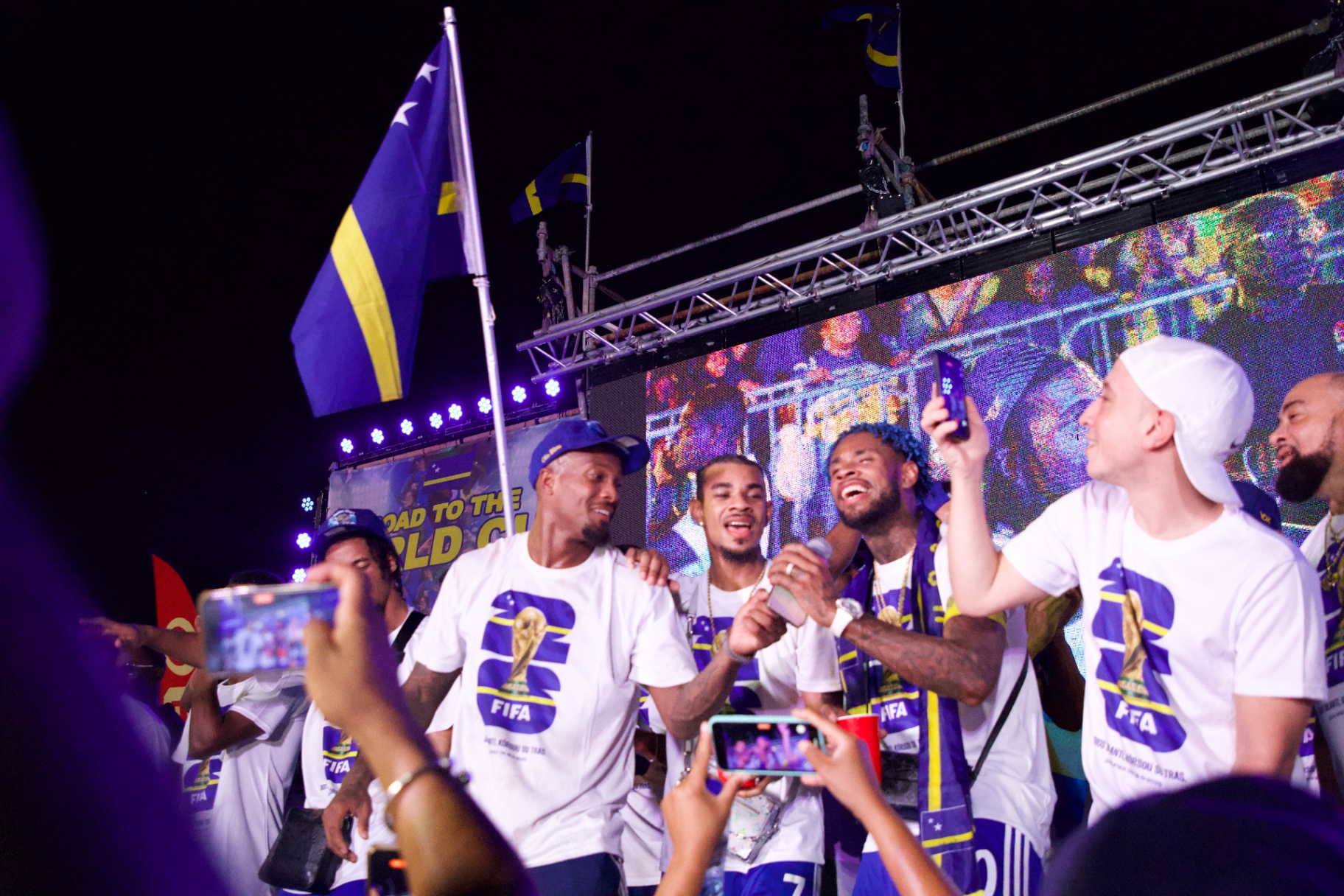
For Profound, as the Official Digital Partner for The Blue Wave, we are immensely grateful to have contributed to the design and development of this storytelling website, and the new website for The Blue Wave and FFK. Made with love, pa Kòrsou